


Choosing a carton sealer sounds simple at first—at least until you start comparing models, speeds, tape heads, drive systems, and all the little details that somehow matter a lot once you see them in action. I’ve been in enough factories to know that two sealing lines that look identical on paper can perform very differently in real life. Sometimes the “cheaper” machine ends up costing more because it doesn’t fit the workflow. Other times, a company overspends on features nobody uses.
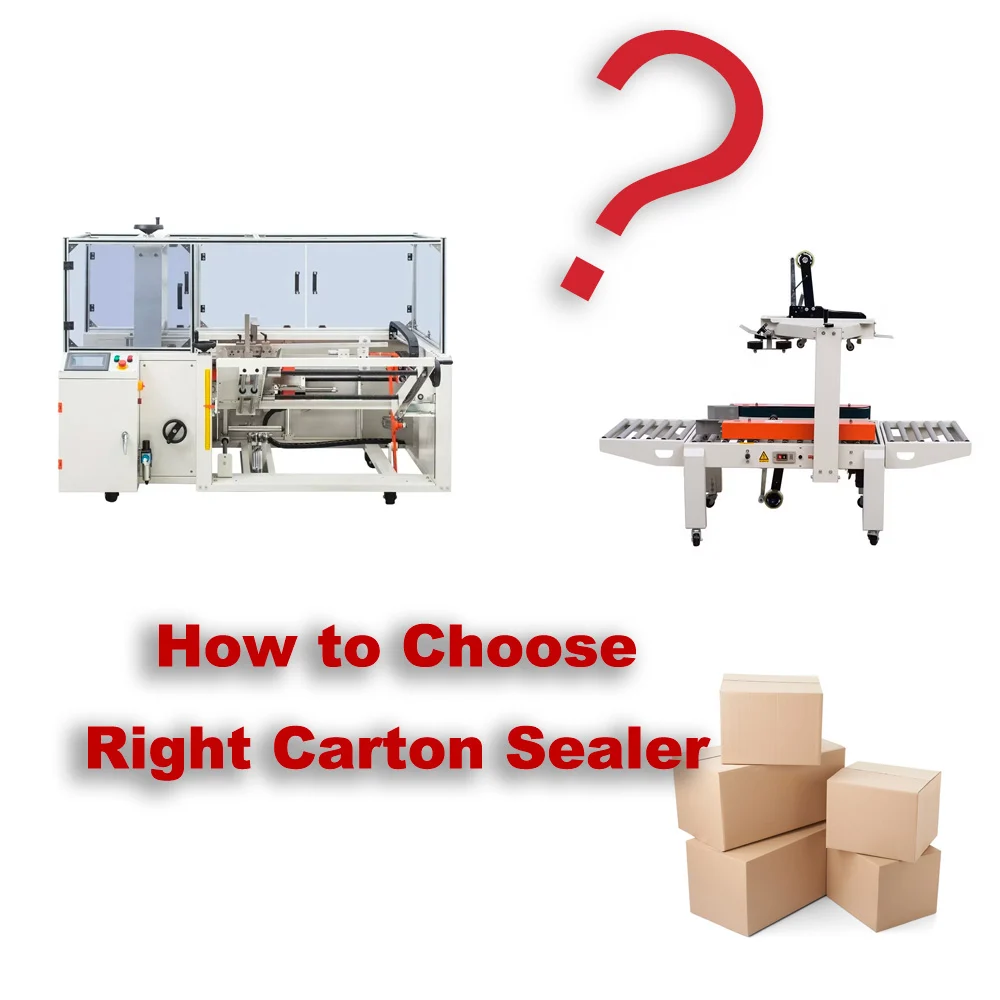
This guide aims to avoid both mistakes. Instead of giving you a generic checklist that any packaging blog could write, I want to walk you through the decision process as if I’m standing next to you on the production floor. Because that’s where the real answers come from—watching actual operators handle actual cartons during actual peak hours.
If you’re new to carton box taping machine, you might want to start with a foundation first: What Is a Carton Sealer?
Understanding the Types of Carton Sealers (And Why the Labels Can Mislead You)
You’ll see a lot of categories in brochures—“semi-automatic,” “automatic,” “random,” “uniform,” “side-drive,” “top-drive,” and so on. These terms matter, but buyers often make decisions based on the wrong interpretation of those words. A better way is to think about types based on how your team actually uses them during a shift.
1. Semi-Automatic Sealers
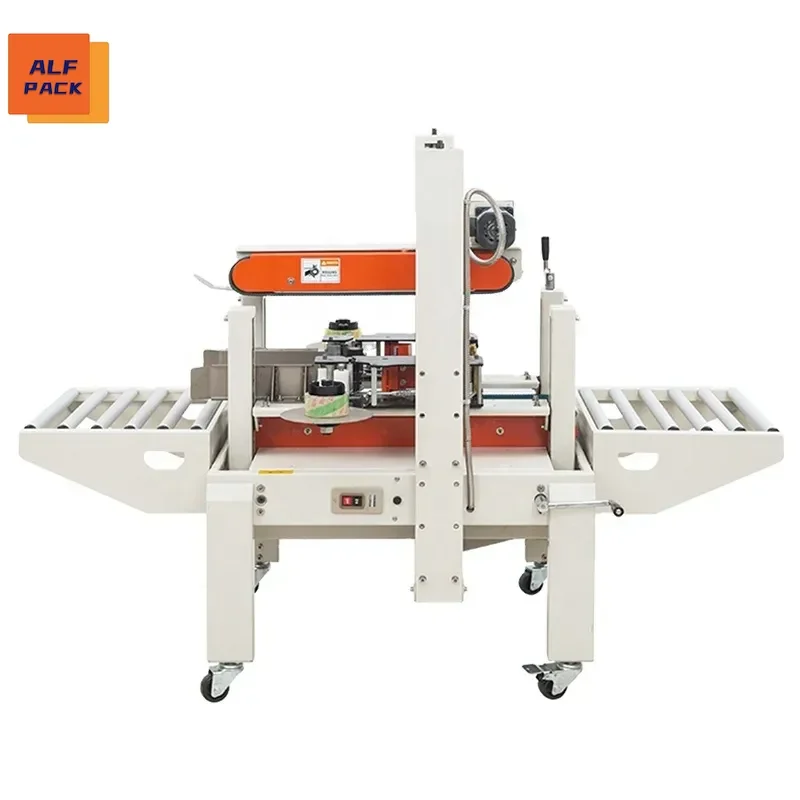
These require operators to fold the flaps manually. They’re simple, reliable, and widely used by growing companies. The biggest advantage is flexibility: if your team handles multiple box sizes, semi-automatics are often easier to adjust than fully automatic ones. I’ve seen operators work incredibly fast with these machines, especially when they’re familiar with the carton range.
If you’re debating between the two, our deep dive on Automatic vs. Semi-Automatic Sealers breaks down the labor costs in detail.
2. Automatic Sealers
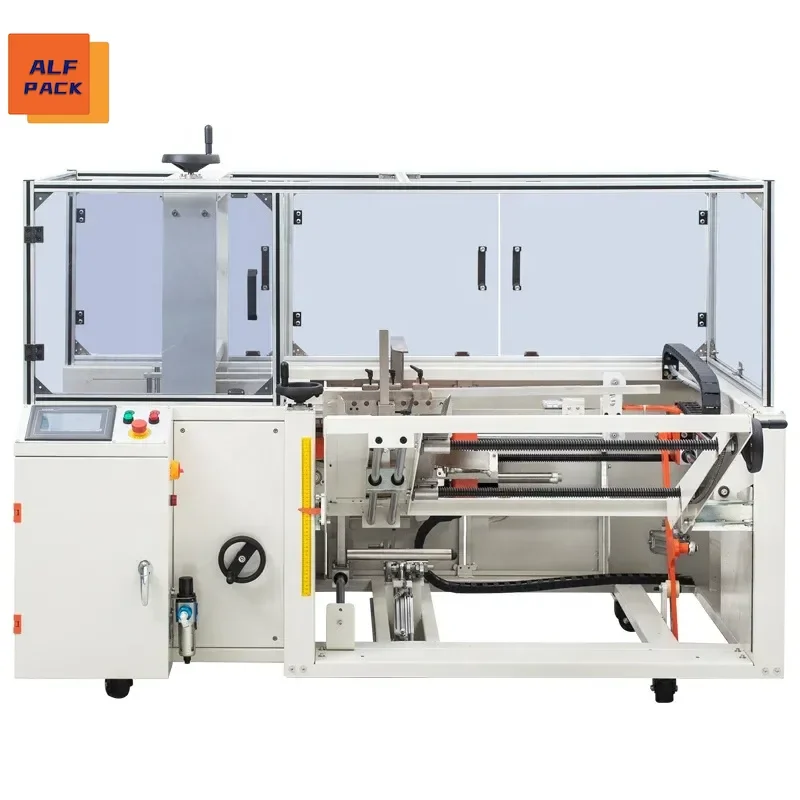
Automatic machines fold top flaps themselves. They shine when your line processes large batches of identical cartons. You basically free the operator from repeated movements, which is a huge relief during long shifts. But I’ve also met companies that bought automatic machines, only to realize that workers still hovered around adjusting them because their carton mix was unpredictable.
3. Random-Size Sealers
This is the dream for e-commerce and fulfillment operations that handle boxes of every shape and size. A random sealer automatically adjusts to the incoming carton. No manual knobs. No lost time. If your throughput is high and your carton queue looks like a “family photo” of mismatched boxes, this category is the safest bet.
4. Specialty Sealers
These don’t get talked about much, but they’re real. Industries like fresh food, chemicals, and heavy hardware sometimes use custom sealers with stainless frames, oversized drives, or integrated sensors. If your factory has high humidity, dust, or very soft corrugated boxes, don’t be surprised if a standard machine struggles. That’s when specialty engineering is worth considering.
Speed Isn’t Just a Number on a Brochure
Whenever a customer asks, “How fast is the machine?” I always respond with another question: “How fast is your team?” You’d be amazed how many sealing lines are slower than their spec sheet suggests—usually because upstream or downstream tasks can’t keep up.
Let’s break down what speed really means in practice.
Mechanical Speed vs. Real Throughput
Mechanical speed is what the belt can theoretically handle. Real throughput is what your operators can maintain without mistakes or fatigue. A machine claiming 1,200 cartons per hour doesn’t guarantee your line will reach that rate.
In real warehouses, the practical speed depends on:
- How quickly workers load the machine
- How often adjustments happen
- Downtime from tape head jams
- Start-stop delays between batches
- The carton’s structural strength
I once worked with a warehouse that sealed 300 cartons an hour manually. They bought a machine rated for 1,000 cartons per hour. After installation, they hit around 550—not because the machine was slow, but because their upstream packing stations simply couldn’t feed boxes any faster. That’s the kind of mismatch brochures won’t warn you about.
Why “Slightly Slower but Reliable” Often Wins
A machine with smooth operation and fewer jams will outperform a faster one that stops twice a shift. Speed becomes meaningless when consistency fails. So when choosing a machine, ask yourself which scenario costs more: a slightly slower line, or repeated stops that kill momentum?
Tape Width: The Detail Most Buyers Ignore
Many buyers choose tape width based purely on price. But wider tape isn’t just “more expensive”—it changes how well cartons stay closed. Especially if your corrugated board quality isn’t perfect.
2-Inch Tape (48–50mm)
This is the classic choice. Affordable, compatible with nearly all sealers, and adequate for most boxes. If your cartons are lightweight or medium weight, 2-inch tape performs well.
3-Inch Tape (72mm)
This is a lifesaver for:
- Heavy cartons
- Large-format boxes
- Rough shipping conditions
- Low-grade corrugated board
The number of businesses using low-quality recycled board has increased dramatically. It’s eco-friendly, but the fibers are weaker. In such cases, 3-inch tape creates a stronger seal and reduces risk of opening during transit.
If you ever saw cartons “popping open” in shipping, there’s a good chance tape width was part of the problem.
Carton Size: The Factor That Can Completely Disqualify a Machine
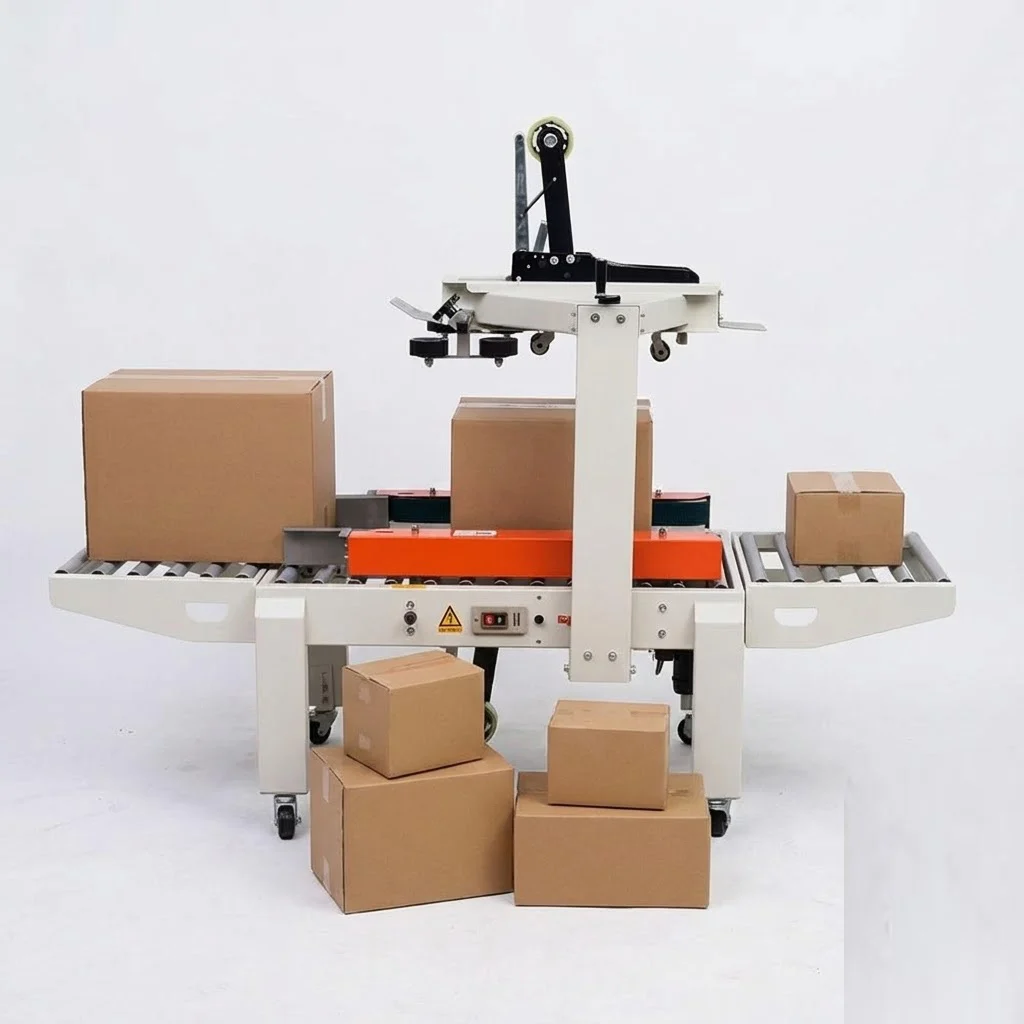
A carton sealer is not universal. Every machine has minimum and maximum dimensions it can handle. And honestly, this is where many buyers make mistakes—because they only measure their most common cartons instead of their full range.
You should measure all three dimensions:
- Length
- Width
- Height
And measure the biggest and smallest cartons you handle during the year—not just today. I’ve seen plenty of companies buy a machine in March and realize in December that their holiday-season cartons don’t fit.
Here’s a detailed guide to help with accurate measurement: How to Measure Your Carton Size Before Buying a Sealer
Why Tight Tolerances Matter
If your smallest carton is near the machine’s minimum size, you might experience:
- Poor tape adhesion
- Boxes leaning and misfeeding
- Fails at the tape head
- Difficulty triggering sensors
Likewise, maxing out the machine’s upper limits can strain belts and guides.
This is why I recommend giving yourself at least 10–20mm of margin on every dimension.
Budget: What You Should Expect at Different Price Levels
Carton sealers come in several price tiers. Instead of giving you numbers that vary by region and brand, I’ll describe what typically changes as you move up or down the ladder.
Entry-Level Tier
Affordable machines for low to medium volume operations. Often semi-automatic with basic frames. Good for smaller warehouses or seasonal needs. Downsides usually include more manual adjustments and lighter construction.
Mid-Range Tier
Where most businesses land. Better tape heads, stronger frames, smoother belts, and easier adjustment systems. Higher reliability. These machines balance cost and longevity, making them popular with contract packers and growing brands.
High-End Tier
These machines earn their price through:
- High-speed drives
- Automatic flap folding
- Tool-less adjustments
- Random-size capability
- Stainless or heavy-duty frames
This is the category for high-volume factories or fulfillment centers that cannot afford downtime.
Don’t Forget Consumables
Your tape choice, maintenance parts, and spare blades all influence your long-term budget. An inexpensive machine with expensive consumables sometimes ends up costing more than a pricier machine with efficient tape usage.
Checklists to Avoid Costly Mistakes
After years of watching warehouses adopt new sealers, I’ve noticed that most mistakes fall into a few predictable categories. These quick checklists can help you dodge them.
Carton Compatibility Checklist
- Have you measured your smallest and largest cartons?
- Are any cartons near the machine’s minimum range?
- Do you use recycled or soft corrugated board?
- Are your cartons tall and narrow (prone to tipping)?
Workflow & Labor Checklist
- Do operators change carton sizes often?
- Is your labor stable or seasonal?
- Does your workflow support automatic flap folding?
- Do you need random-size capability?
Tape & Seal Quality Checklist
- Do you ship heavy cartons?
- Do pallets travel long distances?
- Do you use low-quality tape to save cost?
- Have you tested 3-inch tape on difficult cartons?
Budget Checklist
- Have you included spare parts and consumables?
- Do you need stainless steel or heavy-duty options?
- Will your business grow in the next 2 years?
- Does downtime cost you more than the machine?
Machine Build Checklist
- Is the frame welded or bolted?
- Are adjustment systems tool-less?
- Do belts pull evenly on both sides?
- Is access to the tape head easy?
When in doubt, the safest strategy is to choose the machine that makes daily life easier for your operators. A machine that workers dislike becomes a bottleneck fast.
A Few Lessons I’ve Learned From Real Operations
I want to share a few observations that don’t usually appear in brochures but matter significantly in daily operation:
- Operator habits matter more than machine speed. If your best operator leaves, will the new one manage as well?
- Boxes get weaker in humid months. If your region has seasonal humidity, your sealing reliability might change.
- Workshops with lots of dust need better tape heads. Tape buildup can cause small but consistent slowdowns.
- Random-size machines usually have the fastest ROI. Especially if your catalog grows often.
- It’s better to overspec frame quality than underspec it. A slightly heavier frame can maintain alignment for years longer.
Explore More Carton Sealer Options
If you want to explore all the machine options in one place: Carton Sealer Page
For industry news and packaging trends, I also recommend: PackagingDigest
Final Thoughts
Choosing the right carton sealer isn’t about buying the machine with the most features. It’s about matching your workflow, carton range, labor situation, and long-term growth. A well-chosen machine can run quietly for years, boosting throughput without your team thinking about it. A poorly chosen one becomes the most complained about station in your warehouse.
The best advice I can give is simple: measure carefully, watch your real workflow closely, and pick the machine that reduces daily friction—not the one with the flashiest specs.