


Anyone who has worked in a warehouse knows that a carton sealer is the kind of machine people forget about until it stops working. It sits quietly at the end of a packing line, doing its job over and over again. But when something goes wrong—a jammed tape head, a dull blade, a slipping belt—the entire line feels it immediately. I’ve seen operators waiting awkwardly with half-packed boxes, supervisors scrambling to find tools, and managers wondering why a “simple machine” brought their workflow to a halt.
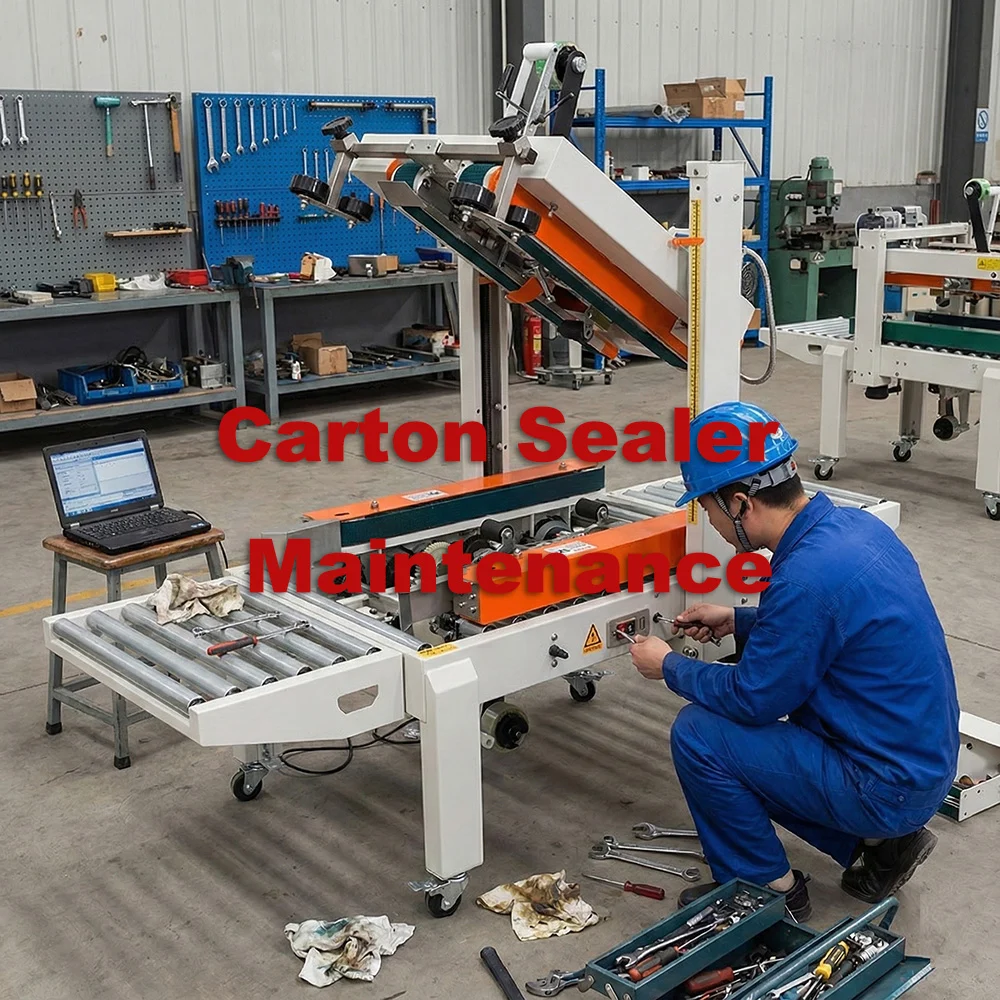
That’s exactly why good maintenance matters. Not because carton sealers are fragile, but because they’re deceptively reliable. Their simplicity tricks teams into neglecting them. And when they fail, the downtime often costs more than the machine itself.
If you’re new to carton sealers and want to understand the machine before you maintain it, start with this overview: What Is a Carton Sealer.
For now, let’s dive into the maintenance practices that keep these machines running smoothly—without the overwhelming, textbook-style approach you often see online.
Safety: The First Thing People Skip (But Shouldn’t)
In my experience, maintenance issues don’t start with worn parts. They start with unsafe habits. Tape heads contain sharp blades. Belts move faster than you think. Rollers pinch fingers. Yet every warehouse I’ve visited has at least one technician who prides themselves on “fixing things without shutting the machine down.” It sounds heroic until something goes wrong.
Proper maintenance begins with a safety mindset. Not fear, but awareness. A carton sealer is simple, yes, but the moment someone reaches in while it’s running, simplicity stops being comforting.
A few safety points I’ve learned to repeat constantly:
- Always lock out and tag out before servicing. It takes seconds.
- Never reach into the tape head with the machine powered on.
- Remove tape before adjusting the blade.
- Keep loose clothing away from belts and rollers.
- Train all operators, not just technicians.
OSHA has clear guidelines about machine guarding and lockout procedures. If your team has not reviewed them in a while, it’s worth revisiting: OSHA.
Safety is not just for the maintenance team. Operators also touch the machine daily. When they understand risks, the machine lasts longer and you avoid the “small accidents” that slow production.
Blade Maintenance: The Small Part That Affects Everything
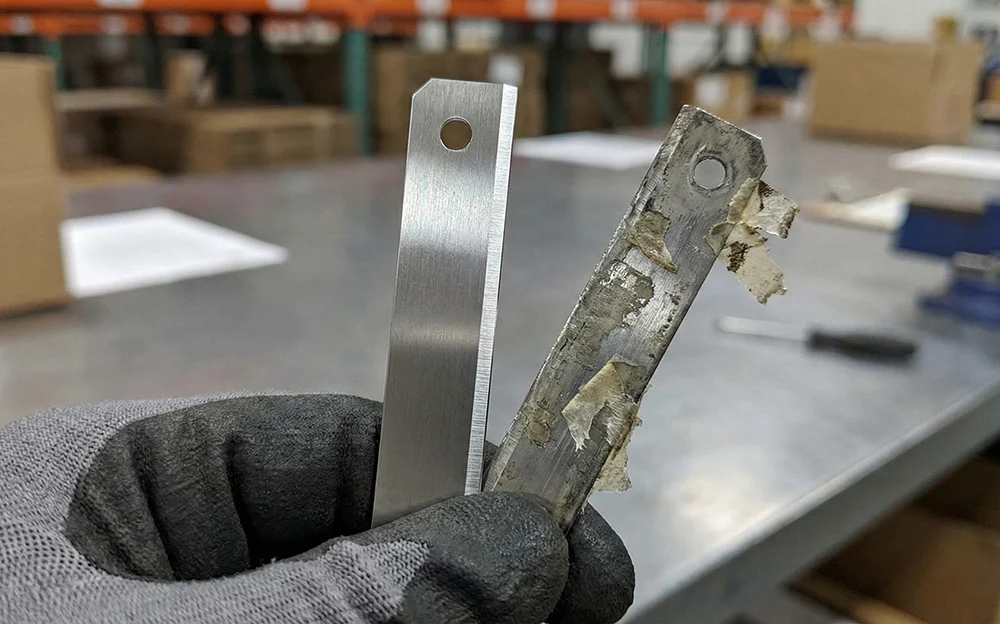
If I had to pick one part that causes the most avoidable downtime, it’s the blade in the tape head. When it dulls, tape doesn’t cut cleanly. Edges fray. Tape hangs. Boxes come out with messy tails, or worse—get stuck in the tape path. The operator blames the machine. The supervisor blames the tape. But nine times out of ten, the blade is simply tired.
The truth is that many teams don’t change blades until the machine “feels wrong.” That’s too late. A blade begins dulling long before anyone notices it. And depending on your tape quality, humidity, or dust levels, the wear rate varies dramatically.
Signs Your Blade Needs Replacement
- Tape cuts unevenly.
- There’s a small tail after each box.
- The tape head makes a “dragging” sound.
- Operators pull boxes a little harder than usual.
- The blade has visible adhesive buildup.
One warehouse manager told me they switched to a scheduled blade replacement every Friday afternoon. It turned into a kind of ritual. The result? Their seal consistency improved, and tape waste dropped. They were shocked at how much money they had been burning on tape before that.
When changing blades, remember:
- Shut off the machine.
- Release tape tension.
- Wear gloves—these blades remain sharp even when “dull” for cutting tape.
- Clean the mounting plate before installing the new blade.
And if you’re upgrading your sealer or comparing different head designs, check how easy the blade is to access. Some tape heads make it effortless; others bury the blade behind brackets. You can learn more about machine differences here: Automatic vs Semi-Automatic Carton Sealer.
Tape Path: The Silent Reason for Jams
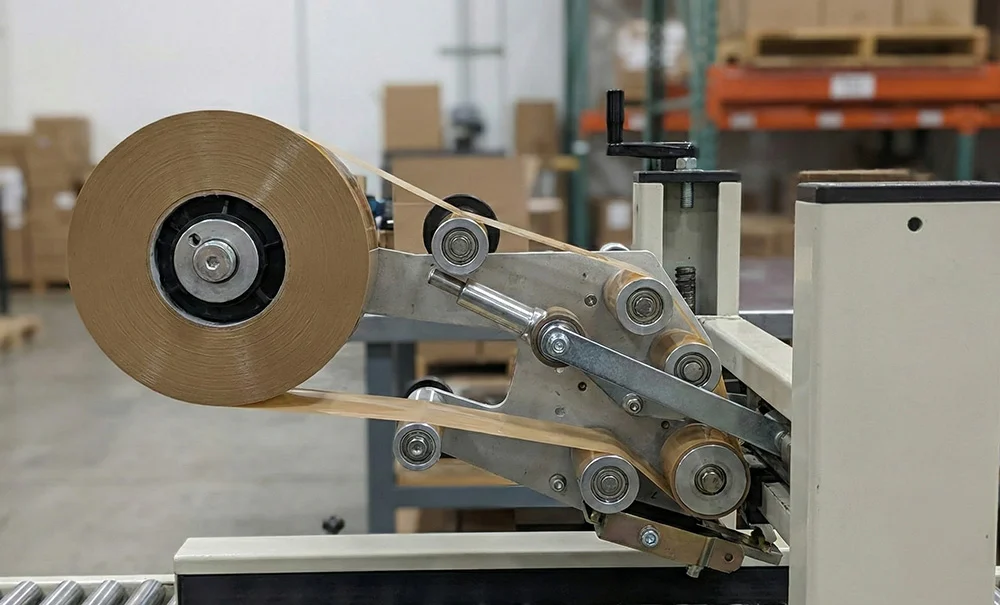
Ninety percent of carton sealer jams I’ve seen came from one thing: an imperfect tape path. A machine can be perfectly aligned and perfectly lubricated, yet a single misrouted tape strip will bring everything to a stop. Understanding how tape flows through the tape head is the key to solving many problems before they appear.
Here’s something technicians often overlook: different tape brands behave differently. Cheap tape is more elastic. Cold environments make tape brittle. Dusty warehouses add friction. If you switch tape suppliers without adjusting the path tension, the machine tells you immediately—usually by jamming.
What a Healthy Tape Path Looks Like
- The tape rolls smoothly off the core.
- There is no wobble in the roll.
- Guides touch the tape without squeezing it.
- The tape moves straight through the rollers without drifting left or right.
- The tape is taut but not over-tensioned.
If the tape keeps drifting to one side, check for residue on the rollers. If the tape snaps, the tension spring may be too tight. If tape refuses to feed, the adhesive may have built up on the guides. This is normal—tape is messy. A clean path is not a one-time achievement but a daily task.
If you work with many box sizes, you’ll notice alignment shifts more often. That’s normal. Mixed-size operations stress a sealer differently than uniform lines. Understanding your application helps you pick the right machine and stay ahead of issues. More on that topic here: Industries That Use Carton Sealers.
Daily Checklist: The Routine That Saves Hours of Downtime
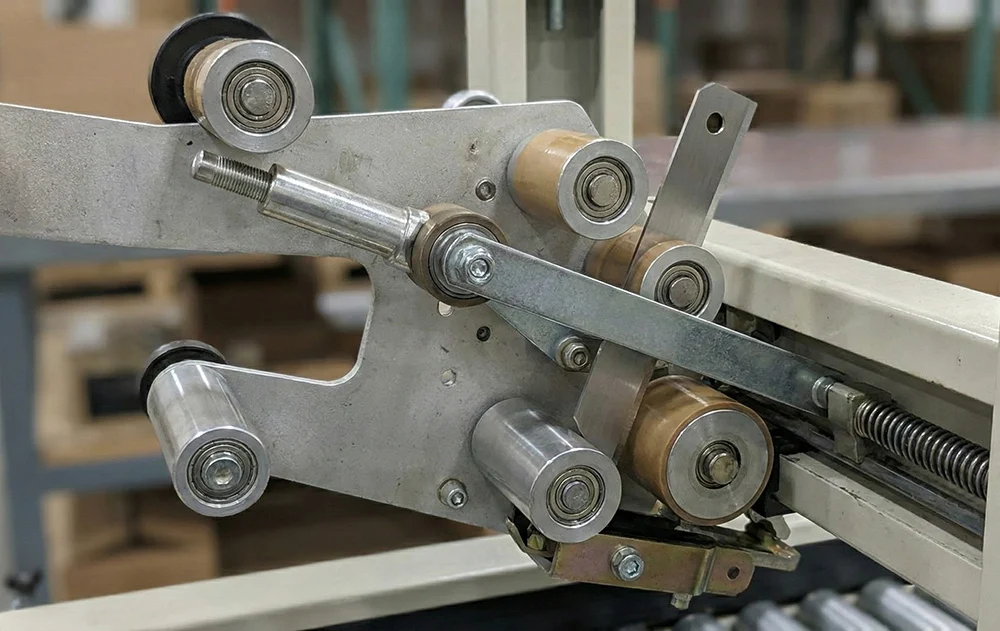
I’ve said this to countless supervisors: if you want your carton sealer to run flawlessly, build a simple daily ritual. Not an engineering checklist. Not a 20-step inspection sheet that no one reads. Just a five-minute habit every shift. When teams follow a daily ritual, small issues never snowball into major breakdowns.
Here’s the routine I recommend to most factories:
1. Check the Tape Roll
Ensure the roll spins freely. Bent cores cause drag. Warped rolls create vibration. If an operator struggles to pull tape manually, the machine struggles too.
2. Clean the Tape Head
A quick wipe removes adhesive dust. This alone prevents at least half of all small jams.
3. Test Blade Sharpness
You don’t need to remove the blade. Just inspect the cut. Clean cut = good blade. Frayed tape = maintenance time.
4. Inspect Belts
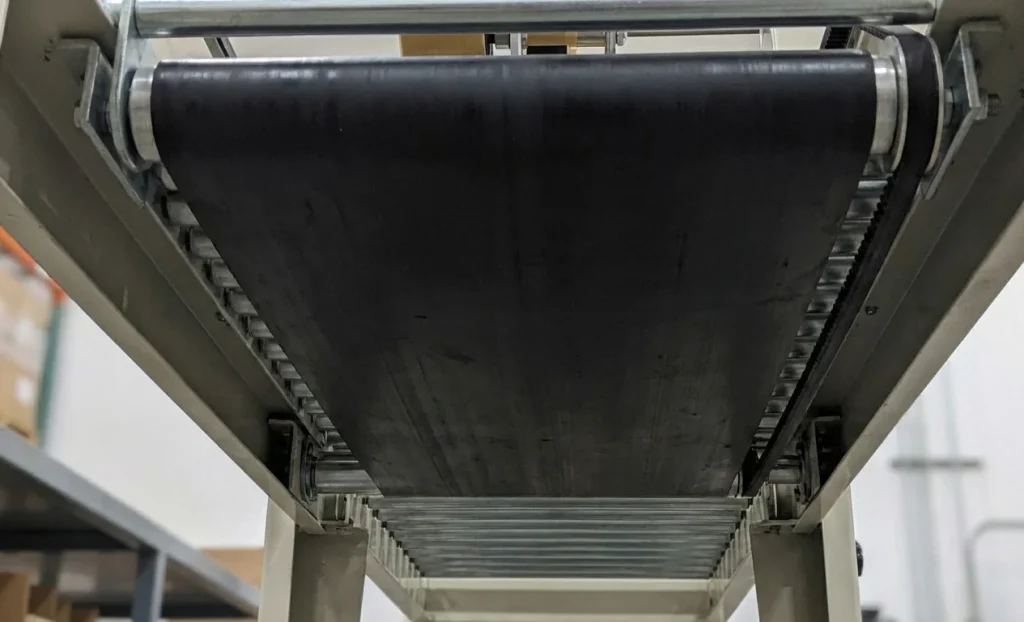
Are they centered? Do they slip? Dusty belts lose grip and cause alignment issues.
5. Square the Rails
If your boxes start drifting, the rails probably shifted. It takes seconds to re-align them.
These five simple steps extend machine life dramatically. And they keep operators confident. A confident operator produces better work and moves faster, which directly improves throughput.
If you’re selecting a new machine, check how accessible these daily checkpoints are. It genuinely affects long-term efficiency. A more detailed buying guide is here: How to Choose the Right Carton Sealer.
Lubrication: The Most Misunderstood Maintenance Task
Some teams over-lubricate. Some never lubricate. Both extremes cause problems. Lubrication is simple, but it needs intention. Carton sealers don’t require heavy lubrication like conveyors or pallet wrappers. They need light, consistent care—focused on pivot points, bearings, and certain moving arms in the tape head.
I once worked with a facility that proudly told me, “We oil everything every morning.” The problem? They were oiling belts, which made them slip constantly. After they stopped lubricating the belts and focused on the correct parts, jams disappeared almost overnight.
What to Lubricate
- Pivots in the tape head arms
- Spring-loaded tension pivots
- Guide rail adjustment knobs
- Blade carrier pivots
- Any metal-on-metal rotation points
What NOT to Lubricate
- Drive belts
- Rollers that contact tape
- Tape path guides
- Sensor surfaces
A little lubricant goes a long way. Too much makes dust stick. Too little creates friction. The rule I give teams is simple: “If it rotates or pivots, lubricate lightly. If it grips or guides tape, do not.”
When Maintenance Isn’t Enough: Knowing When It’s Time for Upgrades
Even the best-maintained sealers have limits. Older machines lose alignment. Belts stretch. Bearings age. At some point, maintenance becomes a temporary patch instead of a long-term fix.
If downtime becomes a weekly event, or if your output has grown faster than your equipment, upgrading may be smarter than repairing. The signs are usually obvious:
- Frequent jams that don’t have a clear cause.
- Belts wearing out faster than they used to.
- Operators complaining about adjustments multiple times a day.
- Aging tape heads that require constant cleaning.
- Boxes running through but coming out sloppy or misaligned.
If you’ve reached this stage, consider reviewing current models: Carton Sealer Page.
Newer machines often come with better tension systems, easier blade access, and smoother adjustment mechanisms. Even small improvements can completely change your daily workflow.
| Problem | Possible Cause | Quick Fix |
| Tape not cutting | Dull blade or adhesive buildup | Clean blade with solvent or replace immediately. |
| Tape jamming | Incorrect tape path or loose spring | Rethread tape; check tension spring tightness. |
| Box slipping | Worn belts or dusty belts | Wipe belts clean; if cracked, replace. |
| Tape flags (tails) | Roller tension too low | Adjust the wipe-down roller spring. |
Final Thoughts
Maintaining a carton sealer isn’t about being technical. It’s about understanding how small issues create big slowdowns. When teams build simple habits—cleaning tape residue, checking alignment, inspecting blades—the machine repays them with years of reliable service.
Every factory I’ve worked with, from tiny startups to massive fulfillment centers, sees the same pattern: a well-maintained sealer is invisible. It blends into the workflow. It never becomes the topic of morning meetings. And in my opinion, that’s the highest compliment any piece of equipment can receive.
For broader context on how carton sealers differ and where they fit into production lines, you can explore: Automatic vs Semi-Automatic Carton Sealer
Or dive deeper into how different industries use these machines: Industries That Use Carton Sealers
Good maintenance doesn’t just extend machine life. It keeps your warehouse calm, predictable, and ready for growth.