


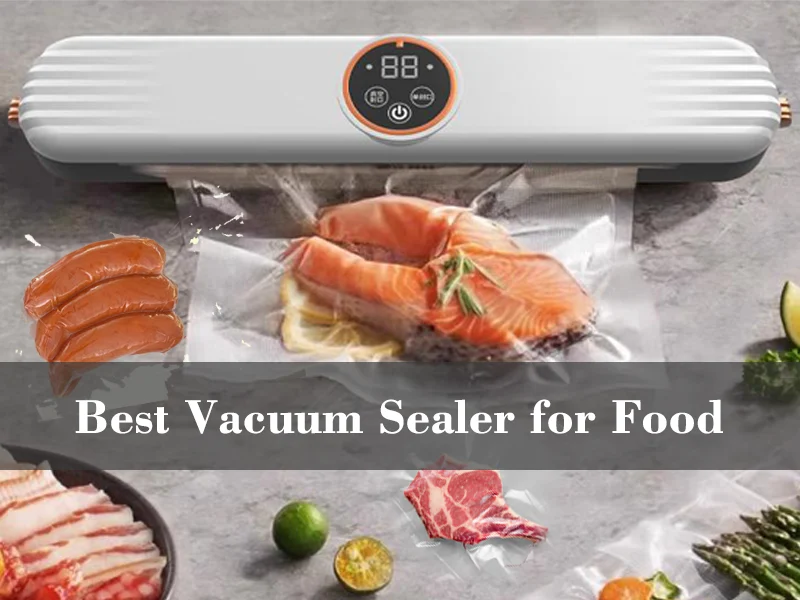
Food waste is something most of us face every week. I used to open my freezer and see ice-burned meat, wilted vegetables, or leftovers that had lost all taste. That changed when I started using a vacuum sealer. Today, I want to share what I’ve learned about choosing the best vacuum sealer and why the right machine can make food storage so much easier.
Why Vacuum Sealers Matter in Everyday Life
A vacuum sealer is not just another kitchen gadget. It solves one of the most common problems in households: food going bad too soon.
- At home, it helps store cooked meals for busy weeks.
- In small restaurants, chefs use them to portion ingredients.
- Outdoor fans use them while camping, fishing, or hunting to keep food fresh.
The best part is that a vacuum sealer for food doesn’t only extend shelf life. It helps organize your fridge and freezer. With neatly packed bags, you save space and cut waste, which means saving money too.
Where Vacuum Sealers Fit In
Instead of thinking of vacuum sealers as “kitchen only,” I like to look at real-life use cases.
- Families with kids – Cooking in bulk and sealing portions makes weekday meals stress-free.
- Meal prep lovers – Pre-packed meals are always ready, with no loss of flavor.
- Outdoor lifestyle – Hunters and anglers seal fresh meat or fish right after the trip.
- Small businesses – Cafés and local shops use them to keep ingredients longer without big storage costs.
I first bought mine for home cooking but soon realized it had the same value for my cousin’s small catering business. She told me it helped her cut food costs by 20% in just a few months.
Types of Vacuum Sealers: My Honest Take
When I searched for the best vacuum sealer, I was overwhelmed. Each brand claimed to be “the best.” After testing several models, here’s how I see it now:
| Type | Best For | Bags | Highlights |
|---|---|---|---|
| Handheld Sealer | Small kitchens, travel | Works with zip bags | Cheap, portable, not for large jobs |
| External (Countertop) Sealer | Most families | Standard rolls/bags | Reliable, easy to use, mid-range price |
| Chamber Sealer | Restaurants, bulk storage | Any bag, even liquids | Powerful, works for soups, higher cost |
Handheld models are fine for snacks. Countertop machines are the sweet spot for most families. Chamber sealers are amazing but usually too expensive unless you run a business.
Lessons I Learned While Choosing
My first sealer was cheap. It worked fine for two weeks, then broke. I had bought it from a random online shop with no warranty. Lesson learned: saving money upfront is not always smart.
Later, I bought a mid-range countertop model from a local store. That machine lasted three years before I passed it on to a friend. What mattered most was after-sales support and bag compatibility. Some brands lock you into their own bags, which are expensive. Now, whenever I test a new sealer, I always check if it can use third-party rolls.
If you’re sourcing in bulk, by the way, it’s worth talking to a sourcing agent. Many restaurants and even households buy directly from suppliers in Asia, and a good agent helps balance price with durability.
Common Pitfalls Nobody Talks About
When you search for the best vacuum sealer for food, you’ll find shiny lists. But not every review mentions the issues real users face:
- Noise level – Some machines are so loud you can’t hear the TV while sealing.
- Liquid sealing – Without a special mode, juices from meat or soups ruin the seal.
- Bag cost – Over time, bags may cost more than the sealer itself.
- Cleaning hassle – Non-removable drip trays make it hard to keep the sealer hygienic.
These details matter more in daily life than suction power numbers printed on the box.
Features That Actually Matter
When friends ask me what to look for in a vacuum sealer, I keep the list short:
- Strong suction – Enough for meat, not just snacks.
- Moist/dry modes – Useful for different types of food.
- Pulse control – Prevents crushing delicate items like bread or chips.
- Bag roll storage – Saves time if you seal often.
- Easy cleaning – A removable tray makes life easier.
Some people also care about design. I don’t mind a bulky unit, but for small apartments, size matters.
10 Best Vacuum Sealers Worth Considering
After years of testing and research, these are the machines I believe deserve a spot on a serious list of the best vacuum sealers. I’ve included models for beginners, families, and small businesses.
| # | Model | Best For |
|---|---|---|
| 1 | Nesco VS-12 Deluxe | Home kitchens |
| 2 | FoodSaver Elite All-in-One Liquid+ | Multi-purpose |
| 3 | Anova Precision Chamber Sealer | Sous-vide, liquids |
| 4 | Vevor DZ-260A Chamber Sealer | Small businesses |
| 5 | JVR Vac100 | Families and delis |
| 6 | Meat! 16″ External Sealer | Bulk meat |
| 7 | Inkbird Sealer | Budget users |
| 8 | Anova Precision Sealer Pro | High-end homes |
| 9 | Zwilling Fresh & Save | Small kitchens |
| 10 | VacMaster Chamber Sealer | Heavy users |
How to Pick Among These 10 Options
With so many choices, here’s how I simplify the decision:
- Start with your use case
- For meal prep, Nesco VS-12 works great.
- For liquids and sous-vide, Anova or JVR Vac100.
- For tiny spaces, Zwilling’s handheld system is clever.
- Balance budget and long-term cost
- Cheap sealers may work at first but bag costs can add up.
- Machines that accept third-party rolls, like Meat! or Vevor, save money over time.
- For heavy use, a VacMaster is expensive upfront but cheaper in the long run.
- Prioritize real features
- Pulse control is a game-changer for delicate foods.
- Multi-mode sealing makes life easier with meat or soups.
- Removable trays save you from endless cleaning.
A Personal Story
My own “aha” moment came when I tried sealing chicken soup. A cheap handheld model made a mess, but the Nesco VS-12 handled it perfectly. Later, a friend running a meal kit service saw it in action and bought the JVR Vac100. He told me it saved him hours every week and made liquid sealing stress-free. That’s when I realized the best vacuum sealer for food is not about fancy marketing—it’s about whether it makes your everyday tasks smoother.
Looking Ahead: The Future of Vacuum Sealers
The market is moving fast:
- Smart integration – Some models now connect to apps to track storage.
- Eco-friendly options – Reusable silicone bags are becoming more common.
- Hybrid models – Machines designed for families but with semi-commercial power.
I believe the next best vacuum sealer for food will not only keep meals fresh but also reduce plastic waste.
Final Thoughts
Buying a vacuum sealer was one of my smartest kitchen moves. It changed how I store food, cut waste, and even helped family businesses.
When choosing, remember:
- Think about your real use.
- Don’t ignore bag costs.
- Look for features that actually solve your problems.
For me, the best vacuum sealer is the one that removes stress from food storage. The right machine makes cooking, prepping, and saving food simple—not complicated.